<1%
of media carries provenance
Fewer than 1 percent of news images and video ship with provenance credentials, per the Reuters Institute figure. Audio trails even that.
AI opt-out custodianship · live demonstration
Duona files and maintains the machine-readable “do not train” record for every master in your catalog. Search a title, an artist, or paste your own ISRC, and watch one resolve.
This searches a public catalog of released recordings. Your own unreleased music goes in through Upload your own.
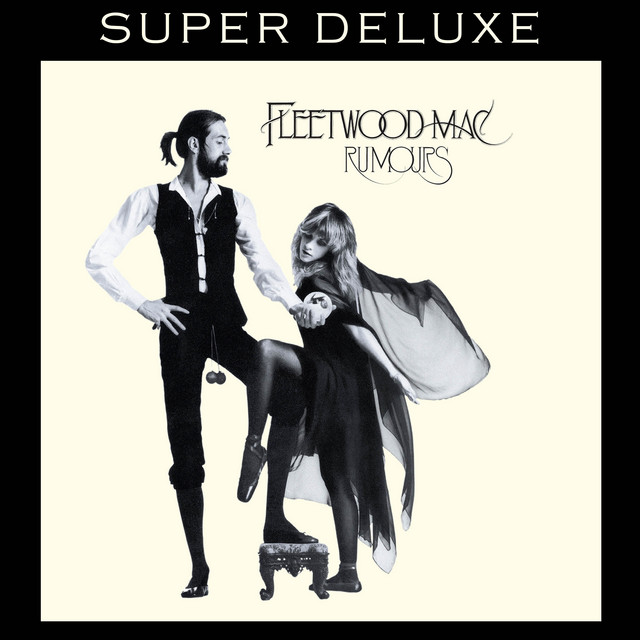 Demo exampleDreams - 2004 RemasterFleetwood MacISRC USWB11301111 · 4:18
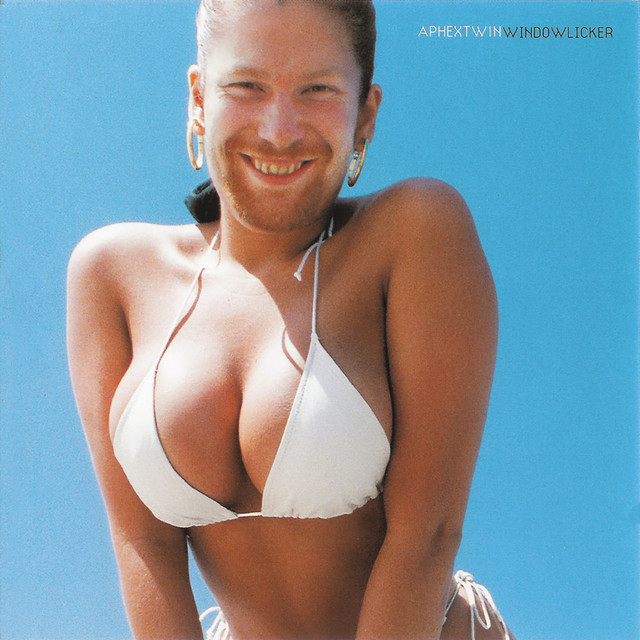 WindowlickerAphex TwinISRC GBBPW9900038 · 6:06
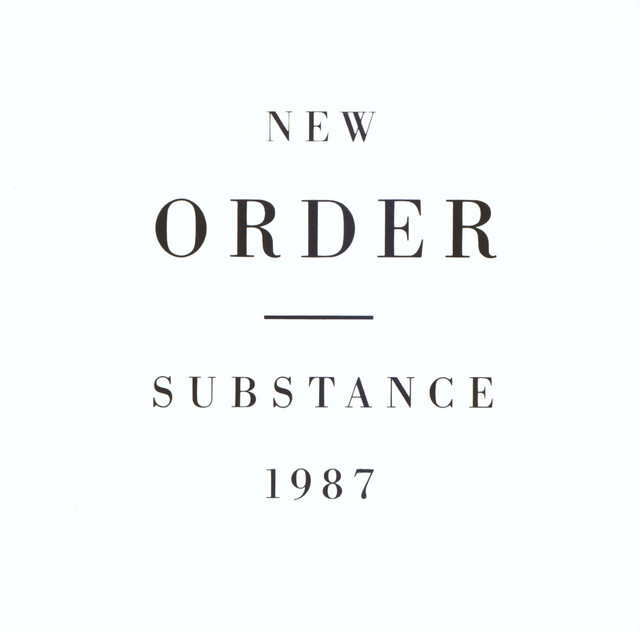 Blue MondayNew OrderISRC GBAAP0001115 · 7:29
Fewer than 1 percent of news images and video ship with provenance credentials, per the Reuters Institute figure. Audio trails even that.
Machine-readable opt-outs are standard practice across European publishing, per WIPO. In recorded music they are still the exception.
The majors sued Suno and Udio over training on unlicensed recordings. The copying came first; the court dates came after.
An opt-out only covers the catalogs that filed one. Everything else reads as fair game to a crawler. Filing yours is the narrow, mechanical move this whole page demos.
You send masters and a metadata export. The Duona Opt-Out Ledger Service fingerprints each recording, files the machine-readable record on the industry registry, and keeps it current every month. You get the ledger back. Getting a catalog on file becomes a signature and an invoice, not a project.
Up to 3 percent of worldwide turnover or 15 million euros, whichever is higher. That fine lands on the model provider, not on you. Your side of it is narrow and mechanical: the reservation has to exist in a form a machine can read, on every recording you want covered. That is the record we file and maintain, so your catalog is already on file when enforcement starts.
Check the rules yourself: AI Act, Article 53 · the TDM opt-out, Directive 2019/790
Filing a record does not decide a legal question, and no registry can prove what a model was trained on. A stamp is a label, not a lock: it survives ordinary delivery changes one at a time, and a one-key pitch shift breaks it. We hand you evidence and the people who run your takedowns decide what to do with it.
Nothing is added to the song. We measure the sound and get a code back. That code is how a registry knows which recording you mean.
A name tag sewn inside the jacket. Invisible from outside. Open it and it says whose it is and what the rules are.
The master you own, the thing with an ISRC, and the thing a model actually trains on. This is where we file.
The words and music underneath, carrying an ISWC, a separate right with its own registries. We do not file there.
Scope and timeline are sized on the call, per catalog. Nothing here needs an account, and the demo above runs on the real index.
Tell us who you are and roughly what you manage. A human replies.
Prefer email? [email protected]